
Are you looking to protect your home but unsure where to start? Choosing a home alarm system in Quebec can feel overwhelming given the wide range of options available. However, making the right decision comes down to a few well-defined criteria.
In this comprehensive guide, we cover everything you need to know: the different types of systems, essential features, realistic budget expectations in Quebec, and the most common mistakes to avoid. By the end, you’ll be ready to make an informed and confident decision.
Why Protect Your Home with an Alarm System in 2026?
In Quebec, burglary statistics remain a concern. According to the Montreal Police Service, most break-ins occur when homes appear unoccupied—especially during summer and holiday seasons.
A residential alarm system acts primarily as a strong deterrent. In many cases, the presence of a visible alarm sign or siren is enough to discourage potential intruders.
Additionally, Quebec insurance companies often offer premium discounts ranging from 5% to 20% for homes equipped with certified and monitored alarm systems. This means investing in security can also reduce your annual insurance costs.
Wired vs Wireless: Which System Should You Choose?
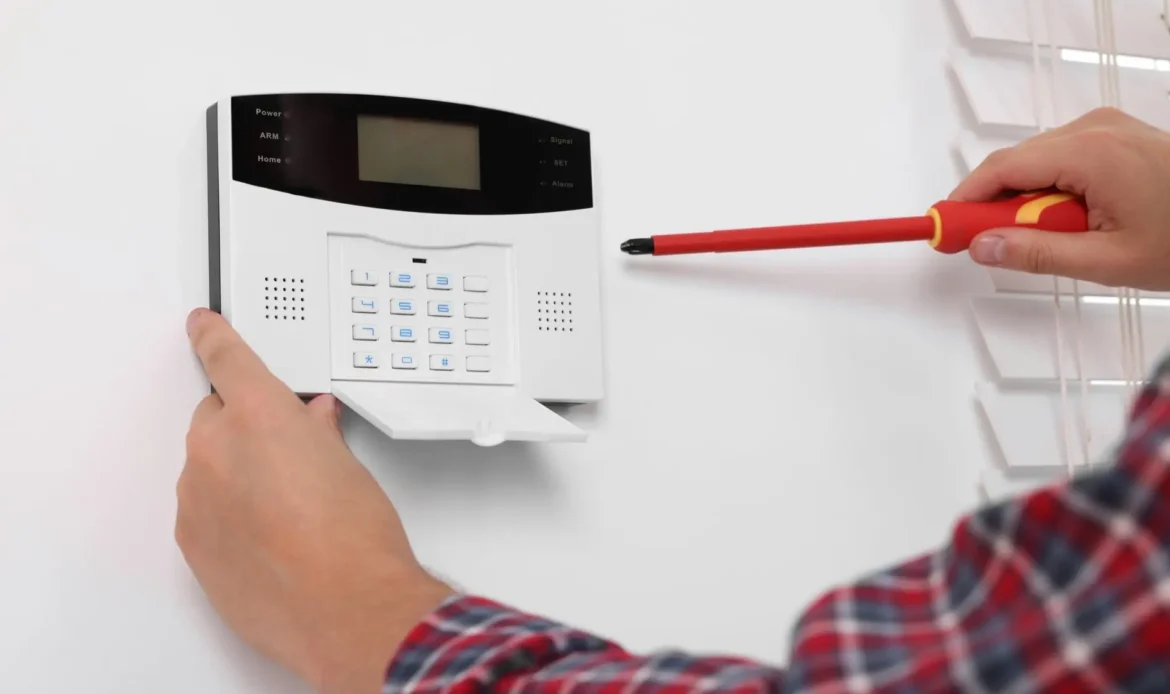
This is the first major decision homeowners face. Both technologies have distinct advantages.
Wired Systems: Reliability and Durability
A wired system connects all sensors and components to a central panel using physical cables.
Advantages:
- No radio interference or signal jamming
- Continuous power supply (no batteries required)
- Long lifespan (20+ years with proper installation)
Drawbacks:
- Requires invasive installation (drilling, wiring)
- Higher upfront installation cost
- Best suited for new constructions or major renovations
Wireless Systems: Flexibility and Convenience
Wireless systems communicate via radio signals or Wi-Fi and are now the most popular choice in Quebec.
Advantages:
- Quick and non-invasive installation
- Easy to expand with additional sensors
- Compatible with smart home platforms (Google Home, Alexa, Apple HomeKit)
Drawbacks:
- Requires battery maintenance (every 2–5 years)
- Slightly more vulnerable to interference (though rare with modern systems)
24/7 Monitoring: An Essential Safety Net
A standalone Home Alarm System Quebec can deter intruders, but professional 24/7 monitoring provides significantly higher protection.
Here’s how it works:
- When an alarm is triggered, a signal is sent instantly to a monitoring center
- An operator contacts you to verify the alert
- If confirmed—or if you are unreachable—emergency services are dispatched
Response time is typically under 60 seconds.
This feature is especially valuable for:
- Frequent travelers
- Cottage owners
- Families seeking peace of mind
Smart Home Integration: Connected Security
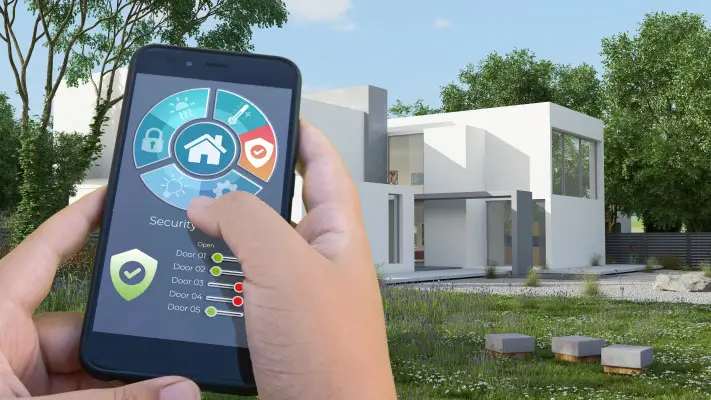
In 2026, home security and smart home technology are increasingly integrated.
You can control everything from your smartphone:
- Cameras
- Locks
- Lighting
- Thermostats
Most Useful Smart Features
- Indoor & outdoor cameras (4K, night vision, AI motion detection)
- Smart locks (remote access, temporary codes)
- Smoke & carbon monoxide detectors
- Water leak sensors (critical during spring thaw)
The key advantage: everything is centralized in a single app.
What Budget Should You Expect in Quebec
Installation Costs
- Basic wireless system: $300 – $700
- Mid-range with cameras: $800 – $1,500
- Full smart home system: $2,000 – $5,000+
These prices usually include equipment and professional installation.
Monthly Monitoring Fees
If you opt for monitoring:
- Expect $25 to $60 per month
This includes:
- Monitoring center access
- Alert management
- Technical support
Other Key Criteria to Consider
Certification
Ensure your system is certified by ULC (Underwriters’ Laboratories of Canada). This is often required for insurance discounts.
After-Sales Service
Check:
- Warranty (minimum 2 years)
- Technical support response time
- Availability of local technicians
- Contract cancellation terms
Communication Redundancy
A reliable system should work even during outages:
- Internet connection
- Cellular backup
- Battery backup
This is critical in Quebec’s harsh winter conditions.
Common Mistakes to Avoid
1. Choosing the Cheapest Option
Low-cost systems often result in:
- More false alarms
- Shorter lifespan
- Lower reliability
2. Poor Coverage of Entry Points
Ensure all vulnerable areas are protected:
- Doors
- Basement windows
- Garage access
- Patio doors
3. Ignoring Fire and CO Detection
Security is not just about intrusions. Fire and carbon monoxide risks are equally critical.
4. Choosing a Non-Scalable System
Avoid closed systems that cannot evolve. Choose a solution compatible with future upgrades.
5. Not Testing the System
Perform a quarterly test:
- Trigger the alarm
- Verify signal reception
- Check battery status
Frequently Asked Questions
Some municipalities require alarm registration with local police. This helps avoid fines from repeated false alarms.
Wired systems: 15–20 years
Wireless systems: 10–15 years
Individual components can be replaced without changing the entire system.
Modern systems use advanced encryption (AES 128/256-bit), making hacking extremely difficult.
Best practices:
Use strong passwords
Update firmware regularly
Use a dedicated Wi-Fi network for smart devices
Conclusion: Make the Right Choice
Investing in a home alarm system in Quebec is one of the smartest decisions you can make to ensure the safety of your family and your property. Whether you choose a wired or wireless system, with or without smart home integration, the key is to select a solution that fits your home, your budget, and your lifestyle.
Key Takeaways from This Guide:
- Evaluate all entry points before designing your system
- Choose ULC-certified equipment to meet your insurer’s requirements
- Opt for 24/7 monitoring if you travel or are frequently away
- Include smoke and carbon monoxide detectors for full protection
- Select a scalable system compatible with modern smart home technology
- Test your system every three months to ensure proper operation
Our team at Solution Alarme Plus is available to assess your specific needs and recommend the most suitable solution for your home. Explore all our services on our Residential Security page, and feel free to check our FAQ for any additional questions.