Infrared — black and white
IR LEDs light up the scene without visible white light. The camera removes color to maximize sensitivity. This mode is discreet and effective in the dark.

Each technology meets a different need: discretion, range, color identification or performance in very low light.
Distance, ambient light, reflective surfaces and the need to see colors determine the right camera.
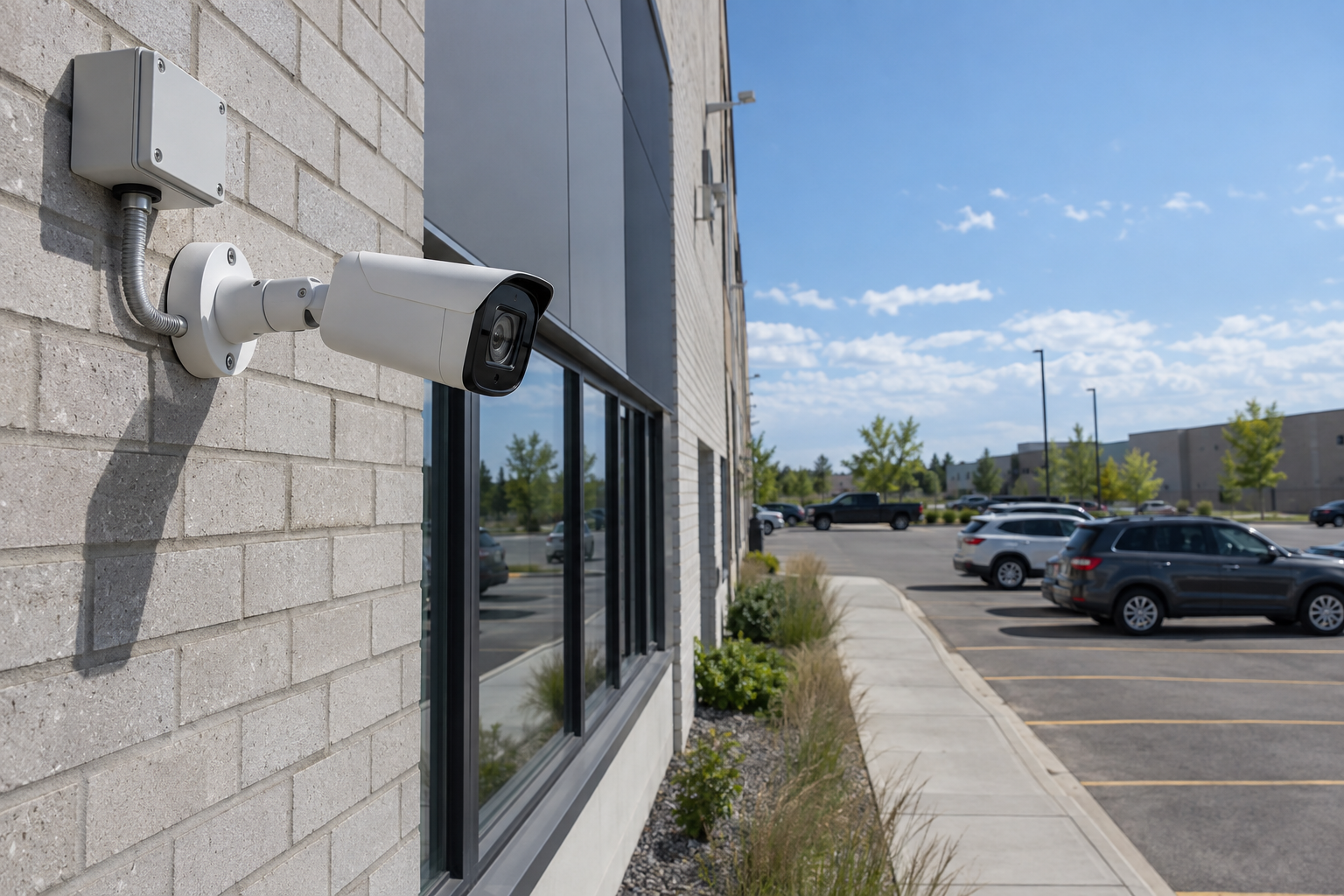
A poorly placed color camera can be blinded by headlights or a floodlight. The installation must be checked at night under real conditions.
IR LEDs light up the scene without visible white light. The camera removes color to maximize sensitivity. This mode is discreet and effective in the dark.
The camera can run in IR, then use white light during a compatible event to capture color at the moment that matters.
The white LED maintains a color image. It makes it easier to identify clothing and vehicles, but its visible light must be acceptable on the site.
A sensitive sensor and advanced image processing favour color in very low light, with or without additional lighting depending on the model.
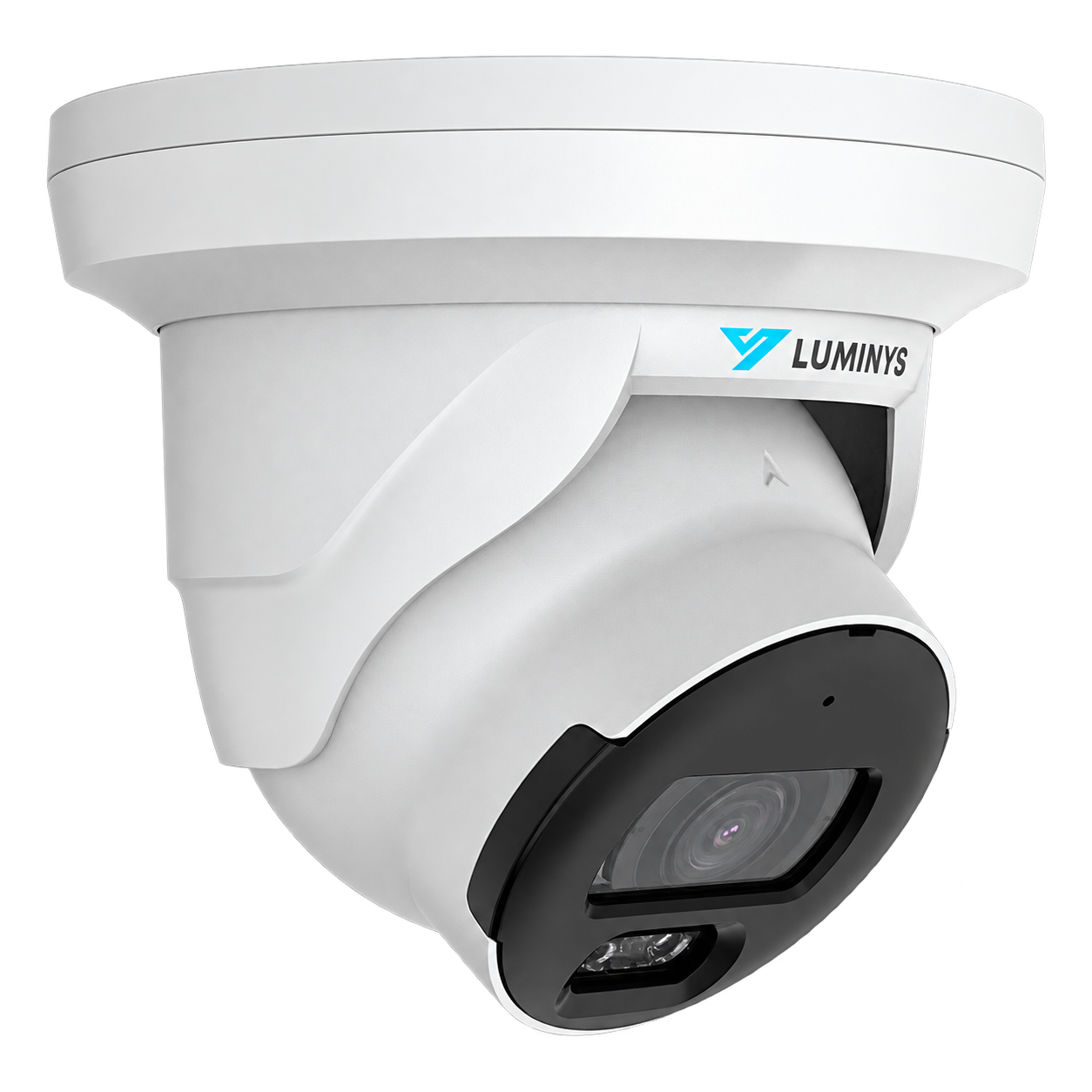
A 4 MP turret with a 2.8 mm fixed lens, designed to light the scene with white light and keep the color cues useful for identification.
Color helps distinguish clothing, a vehicle or an object that infrared would only show in grey.
Entrances, parking lots, loading docks and building fronts where color is an important piece of evidence.
White light is visible and can be disruptive. For discreet surveillance, black-and-white IR may be preferable.
IR and color can be combined on the same site: discretion in some areas, color identification in critical sectors.
We choose the technology based on the actual environment.