
A Story I Wish I Could Have Avoided
Wireless vs Wired Alarm Systems ? Which Solution to Choose to Effectively Protect a Home in Quebec in 2026? For most homeowners, the choice comes down to ease of installation, cost, scalability, and compatibility with an existing home. At Solution Alarme Plus, we’ve been installing both technologies for years—and in the vast majority of residential cases, wireless is the most logical solution.
It was a Friday evening in November. A client from Laval called me: his installer had just finished installing a wired system in his 1980s house. Total cost: $2,800. The problem? To hide the wires in the plaster and lath walls, the contractor had to drill 23 holes. The house looked like a construction site. The client was furious, and his partner even more so.
I could have saved him from this. If we had had this conversation sooner, I would have recommended a wireless system in two hours, without a single hole in the walls, for 40% less. This is the mistake that taught me the most in this profession: the type of alarm must adapt to the house, not the other way around.
Table of contents
- A Story I Wish I Could Have Avoided
- Wireless vs Wired Alarm Systems: The Fundamental Differences
- How Does Each System Work?
- Comparison Table: Wireless vs Wired Alarm
- The Real Advantages of Wireless Systems (Not Marketing Claims)
- The Real Advantages of Wired Systems (Let’s Be Honest)
- Client Case: The Tremblay Family in Brossard
- What People Ask on Google (and ChatGPT)
- Our Recommendation about Wireless vs Wired Alarm Systems
- FAQ – Wireless vs Wired Alarm Systems
- Which Alarm System Should You Choose for Your Home?
- Related Articles
Wireless vs Wired Alarm Systems: The Fundamental Differences
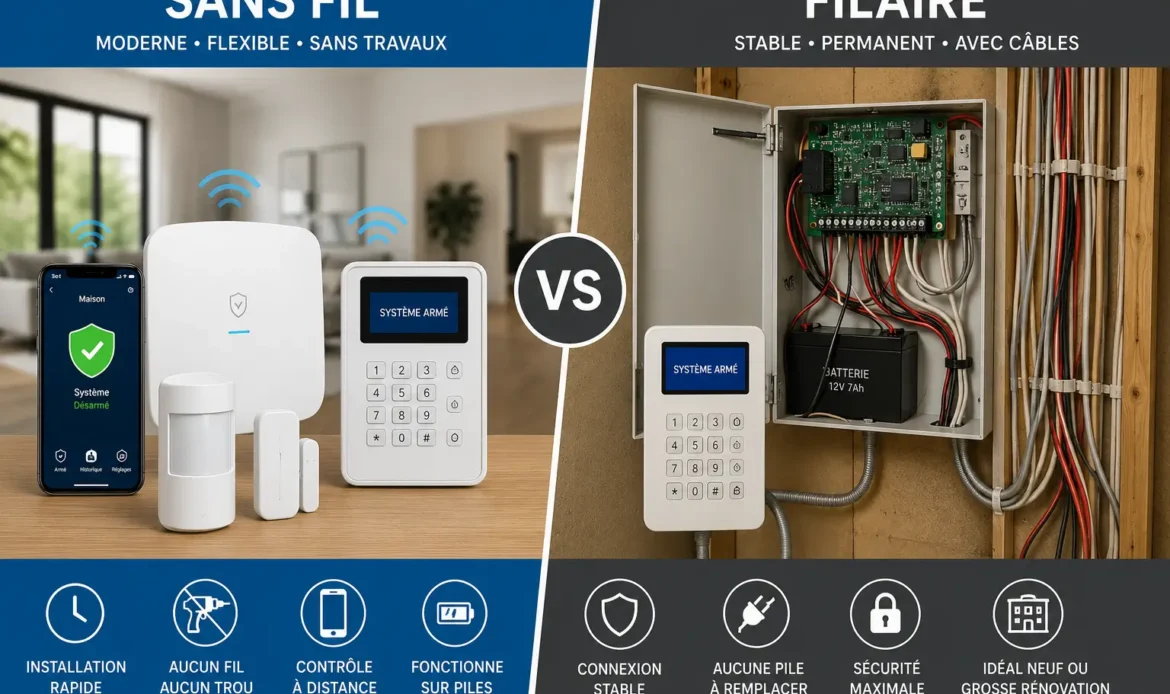
A wireless alarm system uses radio frequencies and Wi‑Fi or cellular communication to connect sensors, cameras, and the control panel.
A wired alarm system relies on physical cables installed inside walls to connect all components directly to the central panel.
Both solutions are designed to secure homes and businesses, but they differ significantly in terms of installation, maintenance, scalability, and daily use.
How Does Each System Work?
Wireless Alarm System
Wireless systems communicate through encrypted radio signals. Devices such as motion detectors, door sensors, and cameras connect to the central panel without requiring wall cables.
Most modern wireless systems also include:
- Mobile app control
- Instant push notifications
- Cloud connectivity
- Smart home integration
- Battery backup systems
Wired Alarm System
Wired systems use physical electrical wiring between every component and the control panel.
These systems are commonly found in:
- Older homes
- Commercial buildings
- Large industrial properties
- New constructions where wiring can be installed during the build
Because everything is physically connected, wired systems are known for their long-term signal stability.
Comparison Table: Wireless vs Wired Alarm
| Criteria | Wireless Alarm | Wired Alarm |
|---|---|---|
| Installation | Fast and simple | Longer and more complex |
| Renovation Required | No wall damage | Often requires drilling and wiring |
| Mobility | Easy to move | Permanent installation |
| Smart Features | Excellent integration | Limited on older systems |
| Reliability | Very reliable with modern encryption | Extremely stable |
| Maintenance | Battery replacement needed | Less battery maintenance |
| Expansion | Easy to add devices | More difficult and costly |
| Cost | Moderate installation cost | Higher installation cost |
| Best For | Existing homes, apartments | New constructions, large buildings |
The Real Advantages of Wireless Systems (Not Marketing Claims)
1. Fast Installation
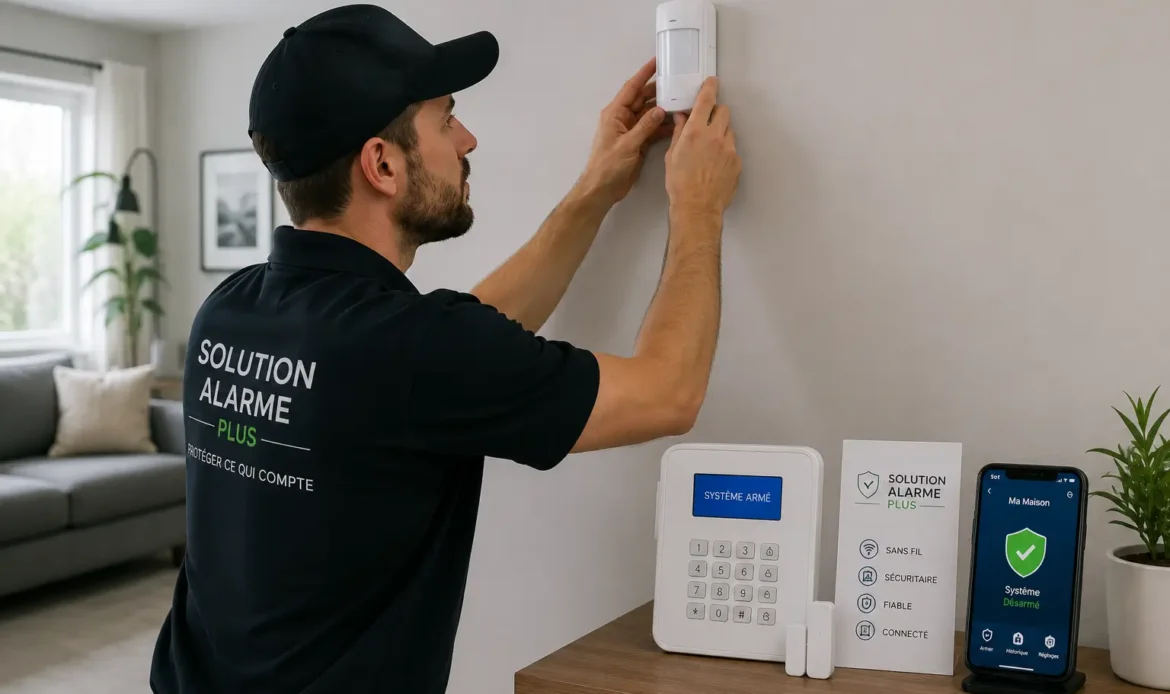
One of the biggest advantages of wireless systems is installation speed. Most residential systems can be installed within a few hours without opening walls.
2. Ideal for Existing Homes
Wireless alarms are perfect for homes that were not originally designed for security wiring. No major renovations are required.
3. Better Flexibility
You can easily:
- Add cameras
- Move sensors
- Upgrade components
- Expand protection zones
without major technical work.
4. Mobile Control
Modern wireless systems allow you to:
- Arm or disarm remotely
- Receive instant alerts
- Monitor cameras from your phone
- Automate security scenarios
5. Smart Home Compatibility
Many wireless systems integrate with:
- Google Home
- Amazon Alexa
- Smart locks
- Smart lighting systems
This creates a completely connected home experience.
The Real Advantages of Wired Systems (Let’s Be Honest)
Wireless systems are popular, but wired alarms still have important strengths.
1. Long-Term Stability
Because wired systems use physical connections, they are less affected by wireless interference.
2. No Battery Dependency
Most wired sensors do not rely on batteries, reducing maintenance tasks.
3. Excellent for Large Properties
For commercial buildings or very large homes, wired installations can provide highly stable performance over many years.
4. Reliable During Heavy Network Congestion
Since wired systems do not depend entirely on Wi‑Fi signals, they remain stable even when internet traffic is high.
Client Case: The Tremblay Family in Brossard
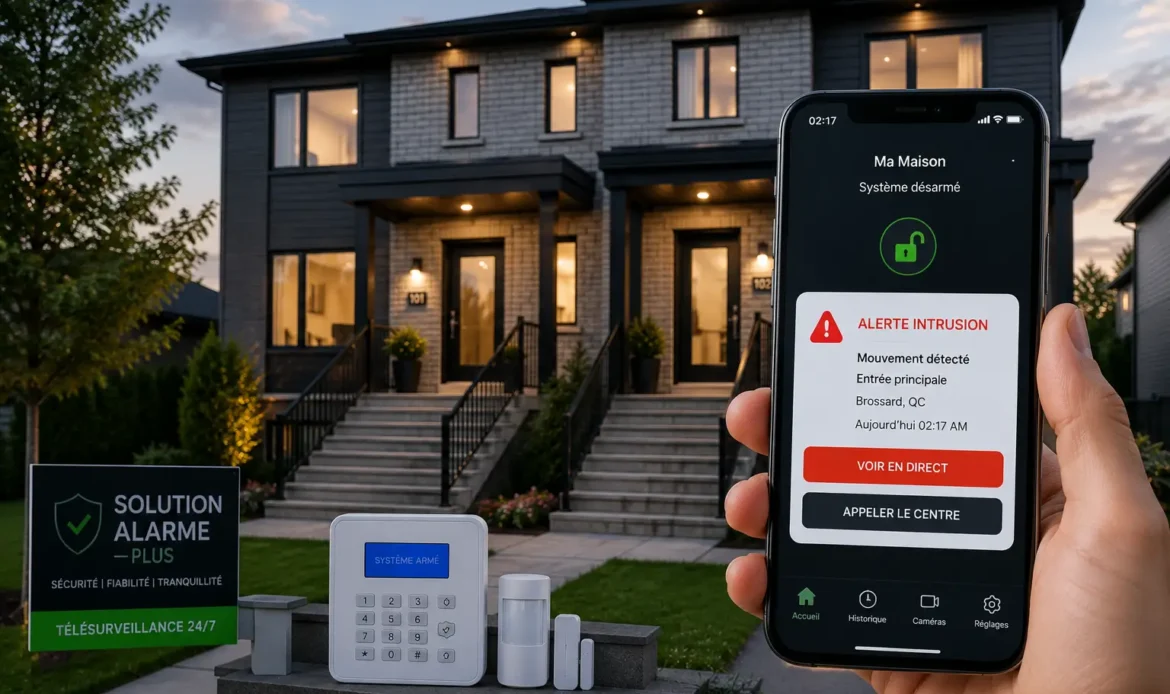
The Tremblay family contacted us after experiencing repeated technical limitations with their old wired system.
Their main concerns were:
- Limited mobile access
- Difficulty adding cameras
- Expensive maintenance
- No smart home compatibility
After evaluating their home, we recommended a modern wireless alarm system with:
- Door and window sensors
- Indoor and outdoor cameras
- Mobile application access
- Smart notifications
- Cellular backup connection
Installation was completed in a single day.
A few weeks later, the family reported feeling significantly more secure and appreciated the ability to monitor their home remotely while traveling.
What People Ask on Google (and ChatGPT)
Is a wireless alarm system reliable?
Yes. Modern wireless alarm systems use encrypted communication protocols and are highly reliable when professionally installed.
Can wireless alarms work during internet outages?
Many modern systems include cellular backup connections, allowing alerts to continue even if Wi‑Fi fails.
Are wired systems outdated?
Not necessarily. Wired systems still perform very well in certain environments, especially large buildings and new constructions.
Which system is easier to upgrade?
Wireless systems are generally much easier and less expensive to upgrade.
Our Recommendation about Wireless vs Wired Alarm Systems
At Solution Alarme Plus, we believe the best system depends on your property and your daily needs.
Choose a wireless alarm system if:
- You already live in the home
- You want fast installation
- You want mobile access and smart features
- You plan to expand the system later
- You prefer minimal renovation work
Choose a Wired Alarm If:
- You are building a new property
- You manage a large commercial building
- You want a permanent infrastructure
- You prefer traditional installations
For most modern homeowners, wireless alarm systems offer the best balance between security, flexibility, and convenience.
FAQ – Wireless vs Wired Alarm Systems
Yes. Modern systems use encrypted communication technologies that are highly secure when installed correctly.
Most batteries last between 2 and 5 years depending on device usage.
Some systems support DIY installation, but professional installation is recommended for optimal security and configuration.
Most alarm systems include backup batteries. Advanced wireless systems may also include cellular communication backup.
Wireless systems usually have lower installation costs, while wired systems may require more labor and infrastructure work.
Which Alarm System Should You Choose for Your Home?
There is no universal answer !
The best alarm system depends on :
- Your property type
- Your budget
- Your future expansion plans
- Your need for smart features
- Your installation preferences
If you are unsure which option is best for your home or business, our team can help you evaluate the ideal solution based on your specific needs.