
Estimated reading time: 8 minutes
On July 12, 2024, around 2 p.m., a client from Brossard called me from a beach in Maine. “My neighbour just texted that there’s a white van parked outside our place all morning.” We opened his system’s app together. Nothing wrong inside, but the front camera had clearly filmed two guys ringing the bell, waiting, then leaving. Classic scouting. His house was armed and displayed the monitoring-station sticker, so they moved on. The bungalow next door got hit three days later. That story sums up everything I want to explain here: in summer, home security during the vacation season isn’t about luck. It’s about decisions made before you leave.
That is why summer vacation home security should never be treated as a last-minute detail. It starts with deterrence, clear access control, and a reliable response plan before the house is left empty.
Table of contents
Why summer is the worst season for your home security
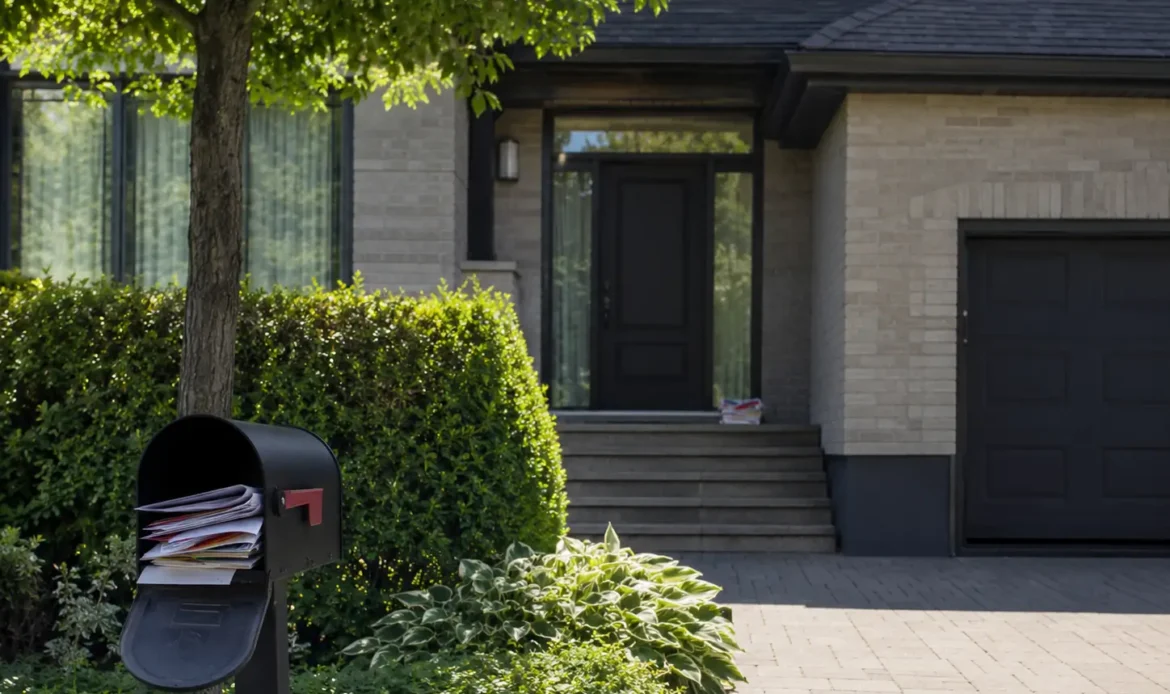
Summer is when your home is most exposed, simply because it sits empty more often and for longer. Thieves know it. The RCMP put it plainly in July 2025: “Thieves don’t take vacations, but summer offers them plenty of opportunities.” In practice, they take advantage of long absences, windows left open for the heat, and sheds full of tools.
The Canadian numbers actually point the right way. In 2024, break-ins fell 11% nationwide according to Statistics Canada, to 293 offences per 100,000 people. But Quebec is the exception: crime ticked up slightly, and Le Soleil reported a rise in residential break-ins in Quebec City as early as August 27, 2025. In other words, the average is dropping — but not necessarily on your street.
Key figures
- 293 break-ins per 100,000 people in Canada in 2024 (−11% year over year).
- In 2 cases out of 3, the burgled home was unoccupied at the time.
- The door is still the most-forced entry point, well ahead of windows. Sources: Statistics Canada (2025); Quality of Life and Security surveys.
The 5 mistakes that make you an easy target
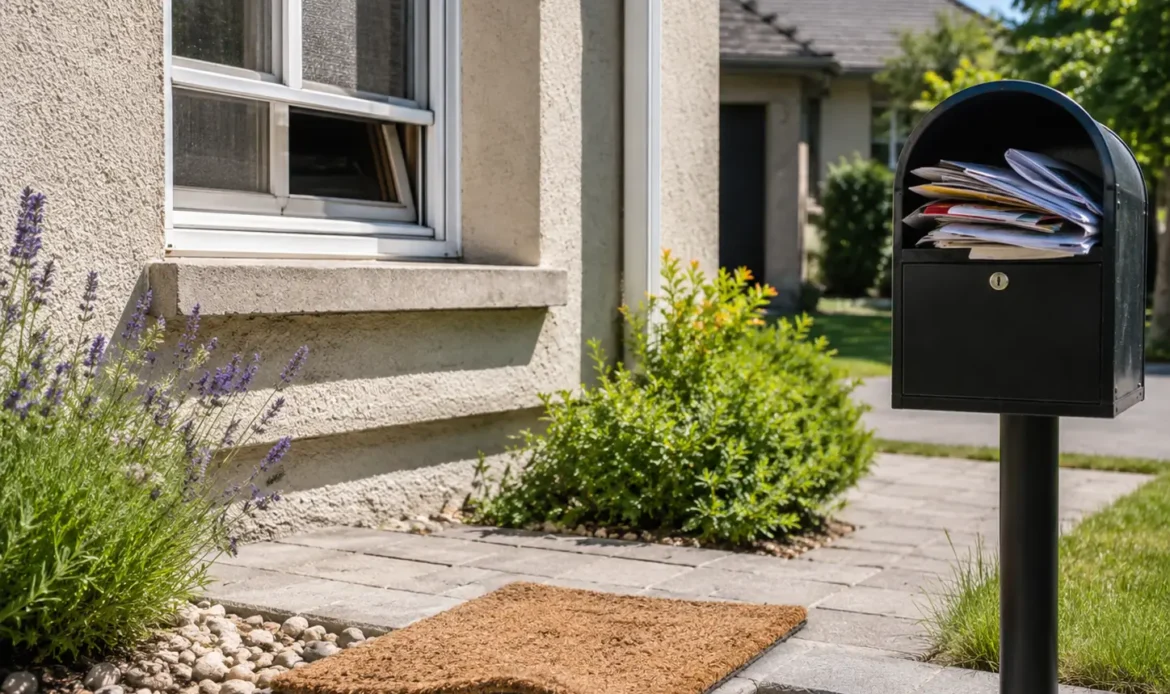
Most summer break-ins succeed because of avoidable mistakes, not because of master burglars. Here are the ones I see most in the field, in order.
- Announcing your departure on social media. A “wheels up ✈️” story is an invitation. Wait until you’re back to post the photos.
- Leaving a basement window cracked open to vent. The all-time July-heatwave classic.
- An overflowing mailbox. Nothing screams “nobody home” louder than flyers stuck in the door.
- The spare key under the mat. Thieves know your hiding spots better than you do.
- No simulated presence. A dark, silent, motionless house for two weeks makes scouting far too easy.
Let me be honest about my own mistake. In 2019, before I worked in this field, I left for a week with my bathroom window propped open. Nothing was taken — but footprints in the flower bed showed someone had tried to slide it open. I got lucky. That episode shifted my whole question from “could it happen to me” to “what responds when I’m not there.”
Monitored alarm vs. self-monitoring: which should you choose?
A monitored alarm protects your home even when you’re asleep, driving, or off the grid; self-monitoring depends entirely on your own ability to react. That’s the core difference, and it changes everything during a vacation 800 km from home.
With self-monitoring, you get a notification… that you still have to see, understand and act on. On a beach, with a limited data plan, good luck. With a monitoring station, a team verifies the alert 24/7 and contacts the authorities without you. That guaranteed response is also what insurers reward.
| Criterion | Camera only (DIY) | Self-monitoring | Monitored alarm |
| Response without you | ❌ | ❌ | ✅ 24/7 |
| Deterrent effect (sticker) | Low | Medium | High |
| Works offline / while asleep | ❌ | ❌ | ✅ |
| Insurance discount | Rare | 5% | Up to 25% |
| Typical monthly cost (QC) | $0 | ~$10 | $15–60 |
| Ideal for long vacations | No | Meh | Yes |
My blunt opinion, and part of the industry won’t like it: a DIY system with no monitoring isn’t a security system, it’s a recording camera. It will film you getting robbed in lovely HD. For a vacation, monitoring is what counts — period.
What it costs, and what it actually pays back
A system connected to a monitoring center typically costs between $15 and $60 per month in Quebec, depending on the equipment, options, and provider. This amount is comparable to many everyday monthly plans. However, it should primarily be considered a preventative measure.
Part of the cost can also be offset by an insurance discount. At Desjardins, for example, a burglar and fire alarm system connected to a monitoring center can qualify you for a discount of up to 10% on your home insurance.
On an annual premium of $490, this represents a savings of up to $49. The system doesn’t become free. However, part of the cost can be recouped, in addition to the added value of 24/7 monitoring.
The Insurance Bureau of Canada also points out that preventative measures, such as burglar alarm systems, can help reduce premiums. However, each insurer applies its own criteria. Therefore, you need to confirm the exact discount with your insurer.
- Base premium: $490/year
- Confirmed discount at Desjardins: up to 10% for a burglar and fire alarm system connected to a central monitoring station
- Estimated savings: up to $49/year
- Monthly cost of the connected system: approximately $15 to $60/month depending on the provider
- To be assessed: the difference between the cost of the system and the discount obtained, in exchange for 24/7 monitoring.
Source: Insurance Bureau of Canada; example: Desjardins General Insurance.
Summer vacation home security checklist before you leave
For summer vacation home security, this checklist covers the simple actions that reduce visible signs of absence and make sure someone can respond if an alert is triggered.
Here’s the routine I give every client before a long departure. Do it the night before, not in the morning rush.
- Arm the system and check that the monitoring sticker is clearly visible.
- Leave a key with a trusted neighbour (don’t hide one outside) and give them the station’s number.
- Hold your mail or arrange for someone to collect the flyers.
- Set 2–3 lamps on timers, at realistic hours.
- Trim greenery that hides doors and windows — advice echoed by the City of Quebec.
- Test the app and the notification once you reach your destination.
- What is the most important summer vacation home security step?
The most important step is making sure your home can trigger a real response while you are away. Cameras are useful, but a monitored alarm system, visible deterrents, closed access points and a trusted neighbour create a much stronger vacation security setup.
It’s free, it takes 30 minutes, and wow, does it change your risk level. The rest — responding when the alarm goes off at 3 a.m. — is the monitoring station’s job.
FAQ — Summer vacation home security
Ideally 2 to 3 weeks before you leave, so you can test the app and get comfortable. A last-minute install is possible, but we’d rather validate notifications calmly.
No. A camera films but doesn’t intervene. For long vacations, a monitored system is far safer because the alert is handled 24/7 without you.
Mostly, tell a trusted neighbour and your local police service. The Sûreté du Québec recommends reporting any suspicious vehicle or behaviour at 310-4141.
Yes. According to the Insurance Bureau of Canada, discounts range from 5% to 25% depending on the system and whether a monitored smoke detector is added.
Use a window restrictor that limits the opening, or an open/close sensor tied to your alarm. Never leave an accessible basement window cracked.
Expect $15 to $60 per month depending on options — less than a cellphone plan, once insurance discounts are factored in.
Ready to truly relax this summer?
For true home security during your summer vacation, the goal is simple: leave without leaving your home unanswered in case of an alarm. I personally answer your questions. Email me at contact@solutionalarmeplus.ca or request your free quote — we look at your home, not a generic brochure.